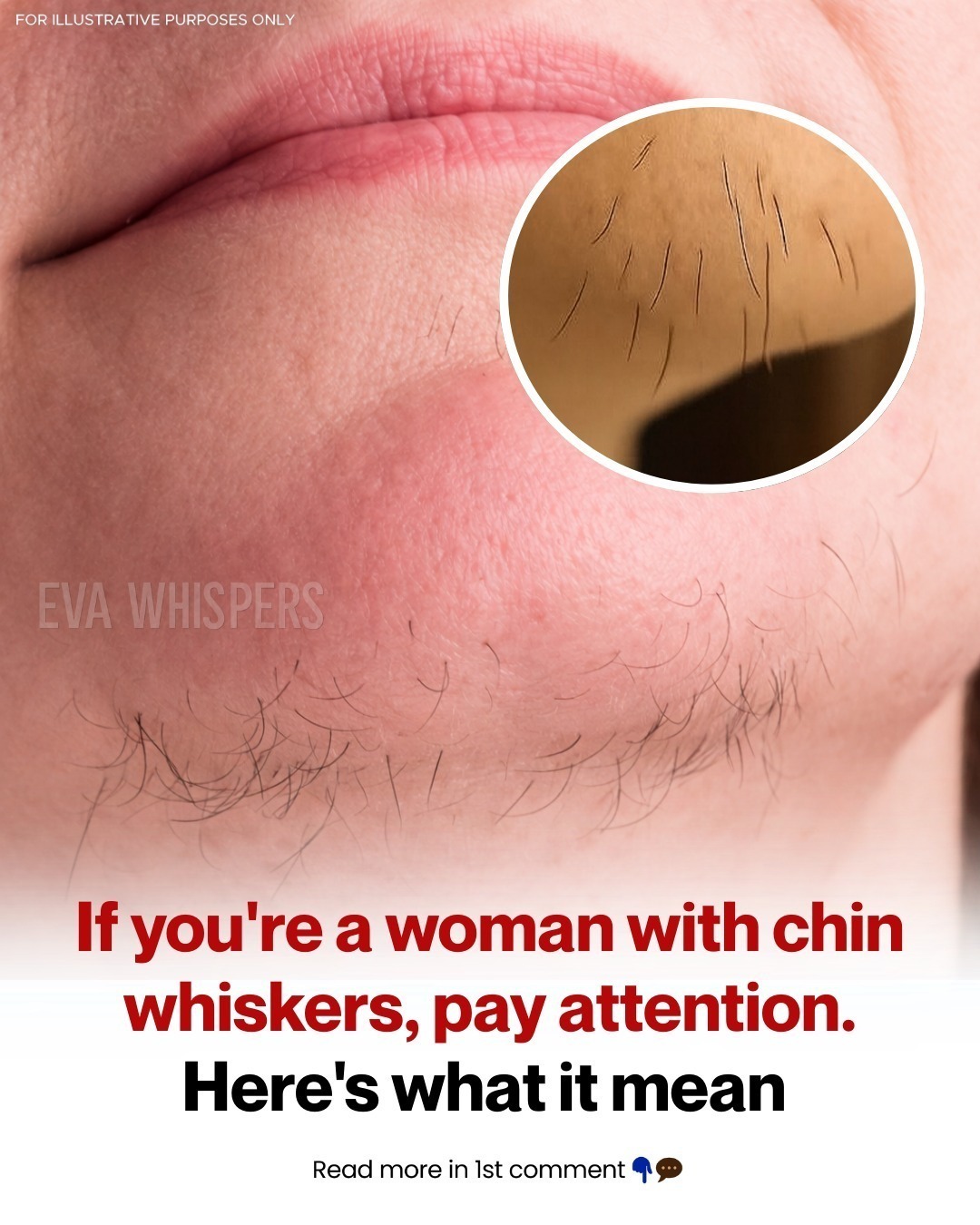
At a biological level, chin hair develops when fine vellus hair (“peach fuzz”) transforms into thicker, darker terminal hair. This change is driven by androgens, a group of hormones that includes testosterone. While women naturally produce androgens, fluctuations during life stages such as puberty, pregnancy, and menopause can increase their effects on hair follicles.
When androgen levels rise beyond typical ranges, women may develop hirsutism—excessive coarse hair growth in areas usually associated with male patterns, including the chin, upper lip, chest, or back. One of the most common causes is polycystic ovary syndrome (PCOS), which affects approximately 5–15 percent of women of reproductive age. PCOS is also associated with irregular menstrual cycles, acne, insulin resistance, and increased risk of type 2 diabetes. In more severe cases, facial hair growth can become pronounced.
Other endocrine conditions, such as Cushing syndrome or congenital adrenal hyperplasia, can also influence hair growth, often alongside other systemic symptoms. Genetics further shape how these hormonal influences manifest, with women of Mediterranean, Middle Eastern, and Southeast Asian descent statistically more likely to experience facial hair growth. In many cases, this reflects inherited traits rather than illness—but overlap with medical conditions can complicate interpretation.
Continued on next page//
Continue reading by clicking the ( NEXT 》 ) button below !