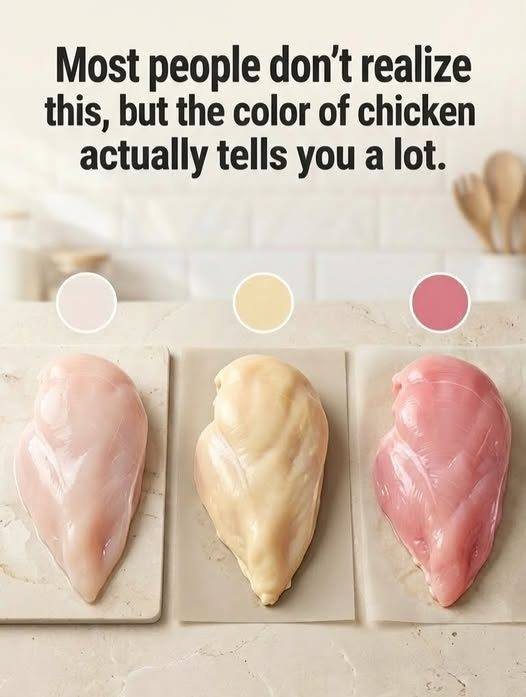
Here's where it gets complicated. Color can also mislead. Some producers have learned that shoppers associate yellow chicken with being more natural or superior. So they adjust their feed formulas to deepen the yellow tone—not because it improves quality, but because it sells.
In these cases, the bird may still be raised in intensive indoor conditions, living the same short, crowded life as its pale counterpart, while merely looking more rustic. The golden skin becomes a costume, not a reflection of a better life.
What to Look For Instead
So if color alone isn't reliable, what should you look for?
-
Look for labels with meaning. "Pasture-raised," "free-range," and "organic" are regulated terms that tell you more about the bird's life than color ever can.
-
Read the fine print. "Vegetarian-fed" or "gluten-free" on chicken, for example, are marketing terms that don't guarantee quality or welfare.
-
Know your farmer. If you can, buy from a local producer you can talk to. There's no substitute for knowing exactly where your food comes from.
-
Trust your taste. Ultimately, the best guide is your own palate. Try different chickens from different sources. You'll quickly learn which one tastes like real chicken to you.
The color of chicken is a clue, not a conclusion. It invites you to ask questions, to look closer, and to decide for yourself what matters most when you sit down to eat.
Continue reading by clicking the ( NEXT 》 ) button below !