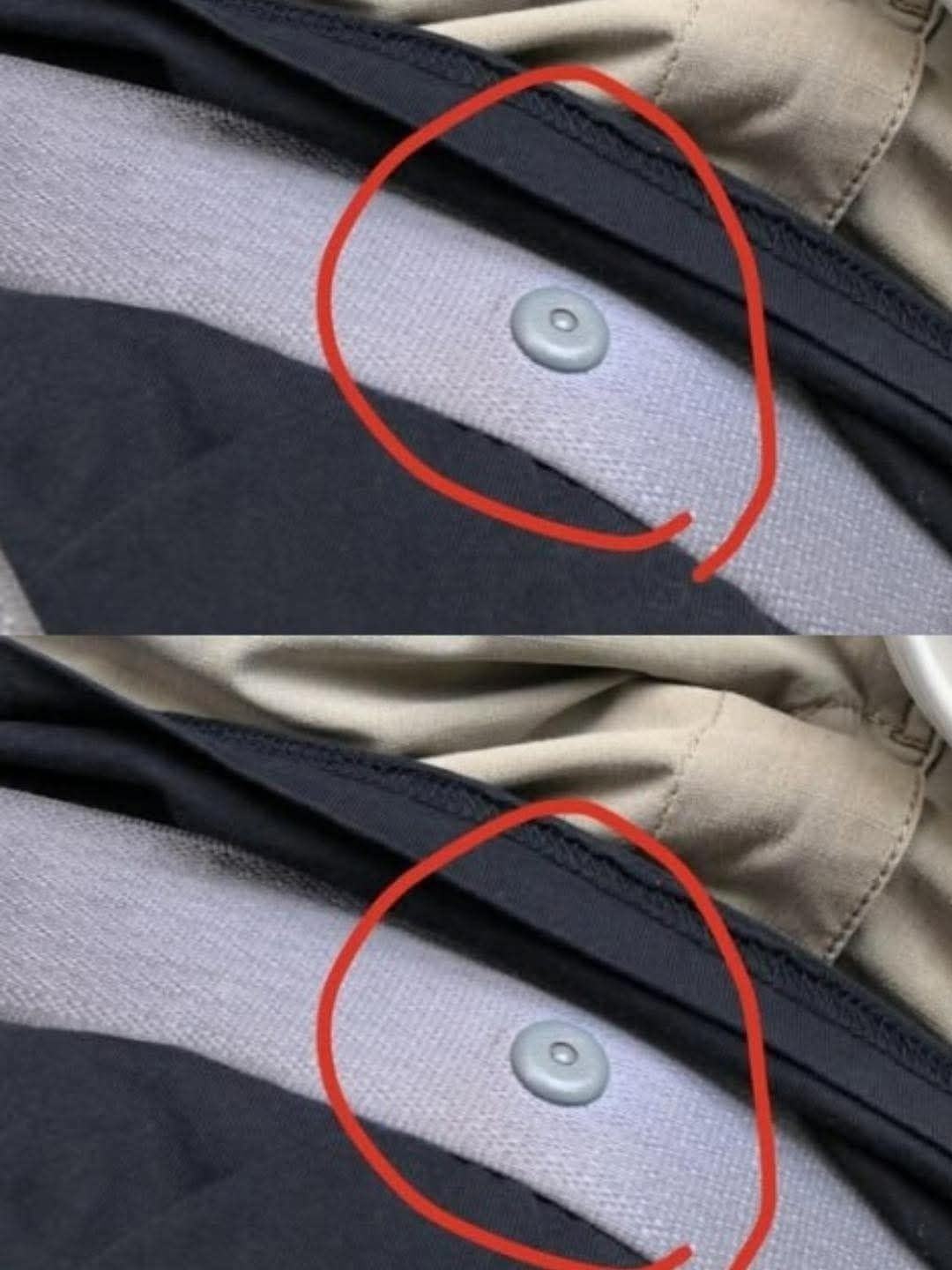
Common Issues — And What to Do
Even small damage to the seat belt guide can compromise safety. Watch for:
The button won’t stay in place or slides too easily
The belt rubs against your neck or slips off your shoulder
The guide track is cracked or broken
The button is missing entirely
 What to do:
Never tape or glue a broken guide — it won’t hold in a crash
Visit a dealership or certified mechanic — seat belt systems are not DIY repairs
Check your car’s manual for proper adjustment instructions
Can You Adjust the Height? (Yes — And You Should!)
Many cars have adjustable seat belt anchors (especially in front seats).
To adjust:
Locate the guide near the top of the seat.
Press the release button (if present) and slide the guide up or down.
Set it so the belt runs diagonally across your shoulder and chest, not your neck or stomach.
 Ideal position: The belt should pass over the collarbone, not the neck or face.
Final Thoughts: Small Part, Big Responsibility
That little round button on your seat belt isn’t a random clip or design quirk.
It’s a precision-engineered safety component — silent, unobtrusive, but vital.
It ensures that when the worst happens, your seat belt protects you the way it was designed to.
So next time you buckle up, take a second to check:
Is the belt guide in place?
Is the belt sitting correctly?
Is it comfortable — and safe?
Because in a car, every detail matters.
And sometimes, the smallest parts save the biggest moments.
Click. Adjust. Drive safely.
Your life may depend on it.
Continue reading by clicking the ( NEXT 》 ) button below !