As we age, everyday tasks can become more challenging. Something as routine as trimming nails may require more concentration, steadiness, or strength than it once did.
What often goes unspoken is how deeply this affects independence and self-esteem.
Struggling with small tasks can feel frustrating, even embarrassing. It’s not about vanity or pride — it’s about autonomy. Being able to care for yourself, in your own time, without pain or assistance, matters.
That’s why thoughtful design is not a luxury. It’s a form of respect.
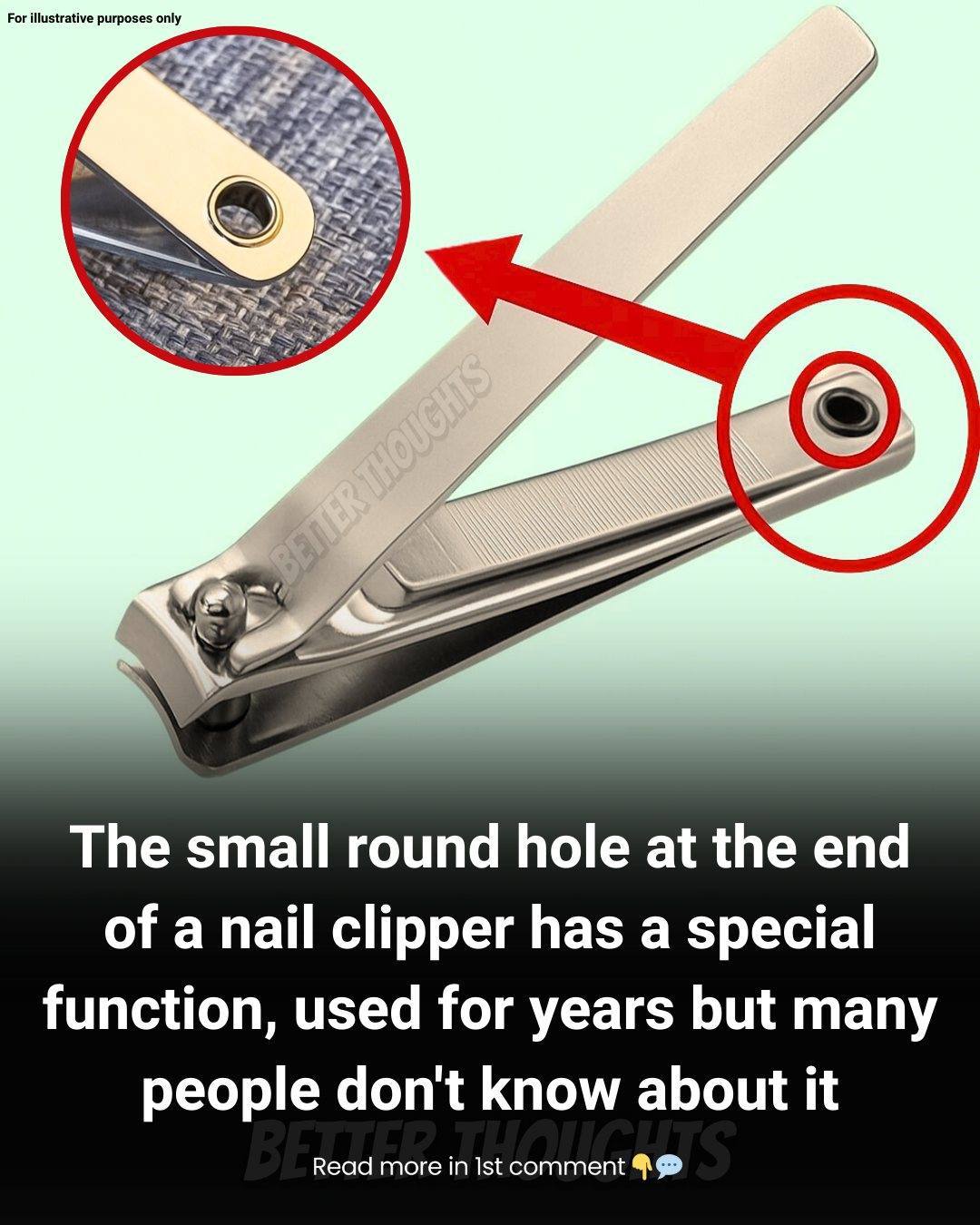
The nail clipper’s pivot hole, its curved lever, its spring tension — all of these details were created to reduce strain, improve control, and prevent injury. They protect fingers, joints, and confidence in equal measure.
A Tool That Thinks About Safety Too
The hole at the end of the handle also serves practical purposes beyond cutting nails.
Thread a string or key ring through it, and suddenly the clipper is easier to grip, easier to hang, and harder to lose. This small option is especially useful for people who struggle with bending, searching through drawers, or handling tiny objects.
Even the way the lever folds back into the hole to lock the clipper closed is intentional. It keeps sharp edges covered, reducing the risk of accidental cuts when reaching into a bag or drawer.
Once again, this is design thinking ahead — anticipating mistakes, slips, or limitations before they happen.
Continued on next page
Continue reading by clicking the ( NEXT 》 ) button below !