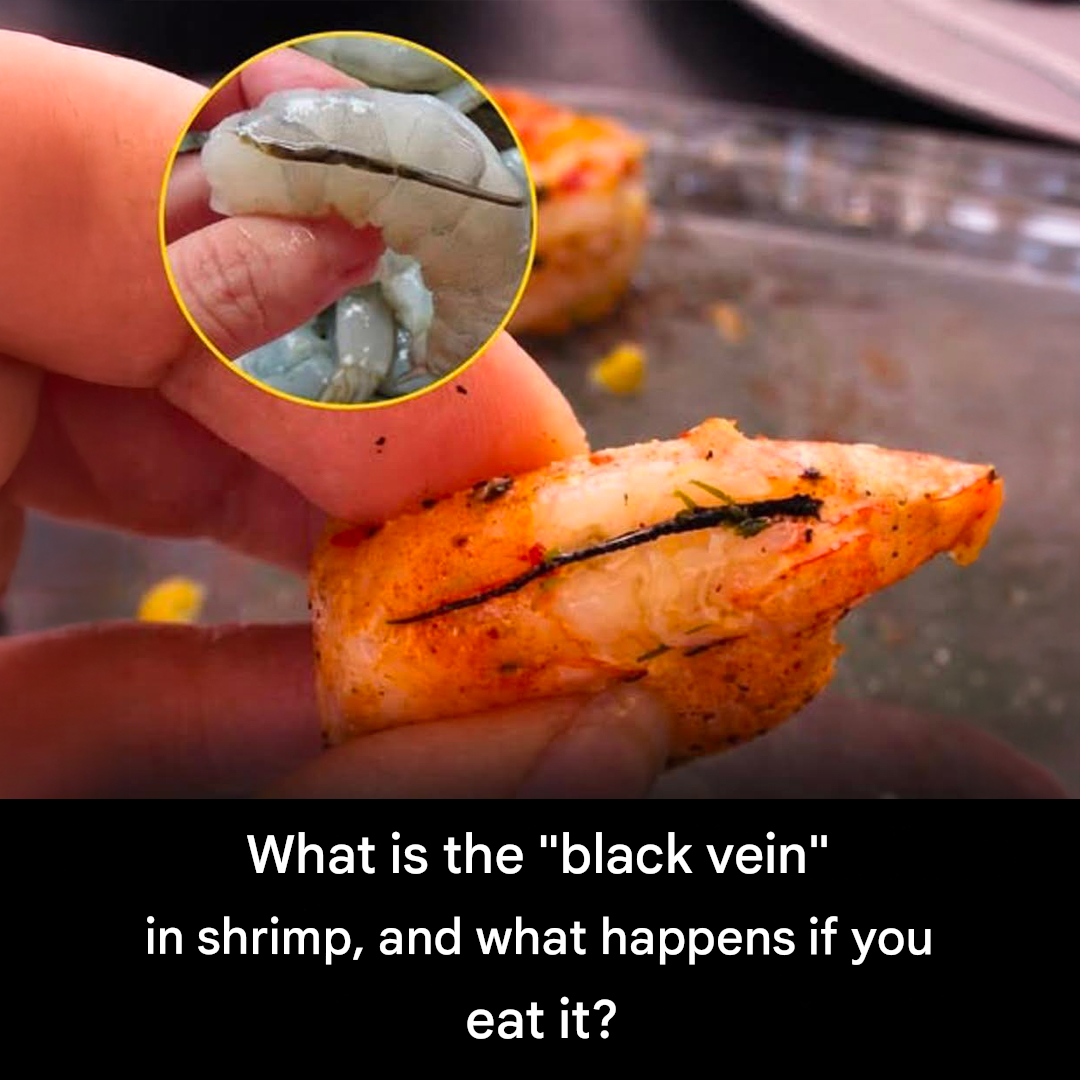

Many people refer to it as a "black vein," but the term is misleading. This dark line is not a vein in the usual sense. It is simply the shrimp's digestive tract.
In other words, it's the part where the elements it consumes in its marine environment pass through. Depending on where the shrimp lived and what it ate, this line can contain small particles such as sand or food residue.
Its color may vary:
- very dark brown or black
- greyish
- sometimes slightly greenish
Shrimp living near sandy or muddy bottoms often have a more visible digestive tract. This is why some have a thicker line than others.
Can you eat shrimp without removing that line?

Good news: in the vast majority of cases, eating a shrimp with this line is not dangerous when it is thoroughly cooked.
However, many cooks – both amateur and professional – prefer to remove it for several practical reasons.
First, there's the matter of taste. The contents of the digestive tract can sometimes impart a slight bitterness or a slightly gritty sensation in the mouth. This phenomenon is subtle, but it can be noticeable, especially with large shrimp.
Secondly, there's the matter of presentation. A perfectly cleaned shrimp simply looks more appetizing on the plate, especially when served during a convivial meal.
Finally, some people with sensitive digestion prefer to avoid this part. Removing it allows them to enjoy the dish without worry.
When is it absolutely necessary to remove the black line?
Continued on next page
Continue reading by clicking the ( NEXT 》 ) button below !