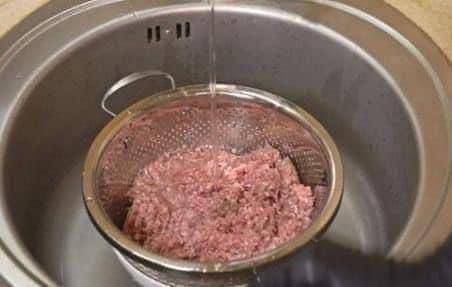
It's a question that divides home cooks: should you rinse ground beef before or after cooking? While some swear by it as a way to reduce fat, others argue it compromises flavor and texture. So, what's the right answer? Let's break down the arguments on both sides and settle the debate once and for all.
The Case for Washing Ground Beef
Proponents of rinsing ground beef typically do so for one reason: to reduce fat. By running hot water over cooked ground beef in a colander, they believe they can remove a significant amount of rendered grease, resulting in a leaner, less calorie-dense final dish. This approach is especially popular among those who are health-conscious or preparing meals where excess grease might make the dish overly heavy, such as in tacos or certain pasta sauces.
The Case Against Washing Ground Beef
On the other side of the argument, many cooks—including professional chefs—strongly advise against rinsing ground beef. Here's why:
-
Loss of Flavor and Moisture: Fat is not just a source of richness; it carries flavor. Rinsing away the rendered fat can leave the meat tasting bland and dry, robbing your dish of the savory depth that makes ground beef so satisfying.
-
Food Safety Concerns: Washing raw meat is generally discouraged by food safety experts, including the USDA. Rinsing raw ground beef can spread harmful bacteria like E. coli and Salmonella to your sink, countertops, and surrounding areas through splashing water—a phenomenon known as cross-contamination.
-
Texture Compromise: Removing the fat can result in a drier, less tender final product, which is particularly noticeable in dishes like burgers or meatloaf where moisture is key.
Practical Concerns: The Mess and the Plumbing
see continuation on the next page
Continue reading by clicking the ( NEXT 》 ) button below !