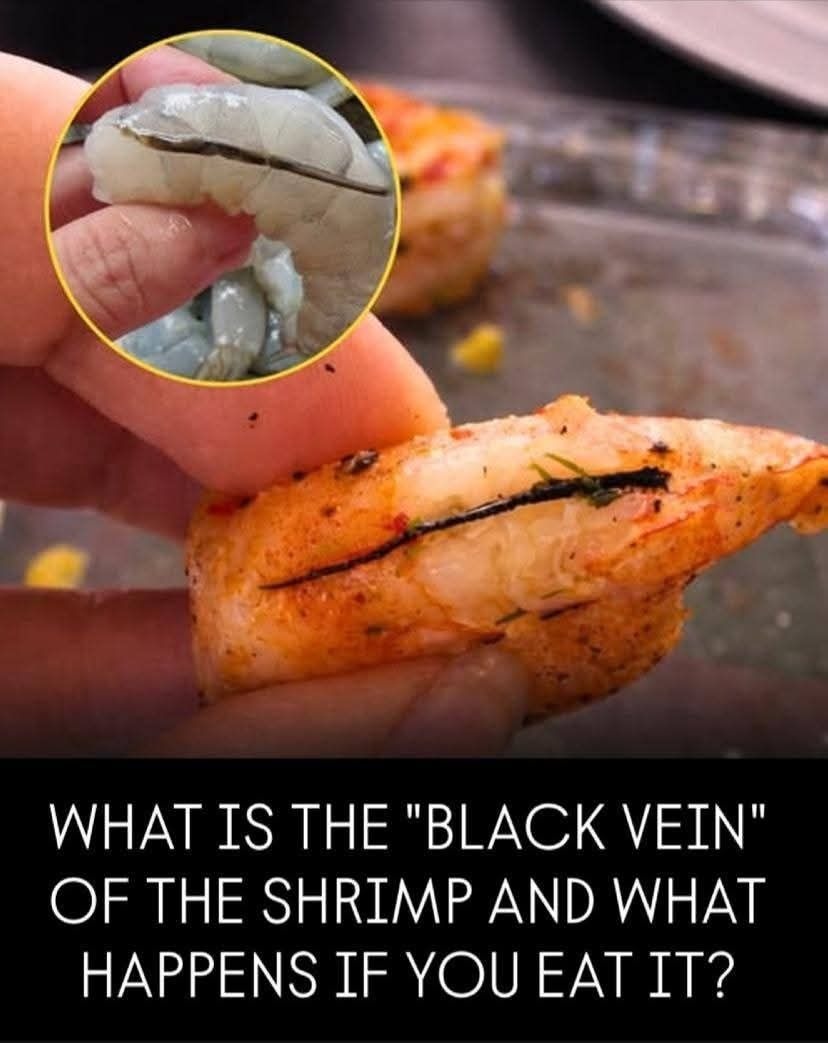
The Shrimp Vein: A Culinary Detail Few People Know and Many Discuss
Shrimp is one of the most popular seafood choices around the world. It’s delicious, versatile, and relatively easy to cook. Yet there’s one small detail in shrimp preparation that many home cooks debate: the “vein” that runs along the back of the shrimp. Some say it must be removed, others think it doesn’t matter. So what is it, and should you remove it?
What Is the Shrimp Vein?
The dark line you see along the back of a shrimp is not actually a vein in the traditional sense. It’s the digestive tract, where the shrimp’s last meal passes through. Depending on what the shrimp ate, the contents can look darker or lighter.
The vein may sometimes contain sand or grit, especially in larger shrimp. While it isn’t harmful to eat, it can affect the texture or taste of the shrimp if left in place during cooking.
Why Many People Remove It
There are a few reasons cooks often choose to remove the vein:
Appearance: The dark line can look unappetizing, especially in light-colored dishes.
Texture: In some recipes, the vein can feel grainy or gritty.
Cleanliness: Removing the digestive line gives a cleaner presentation and helps ensure there’s no leftover sand or debris.
Because of these reasons, many chefs and food enthusiasts prefer to clean shrimp before cooking.
Continue reading by clicking the ( NEXT 》 ) button below !