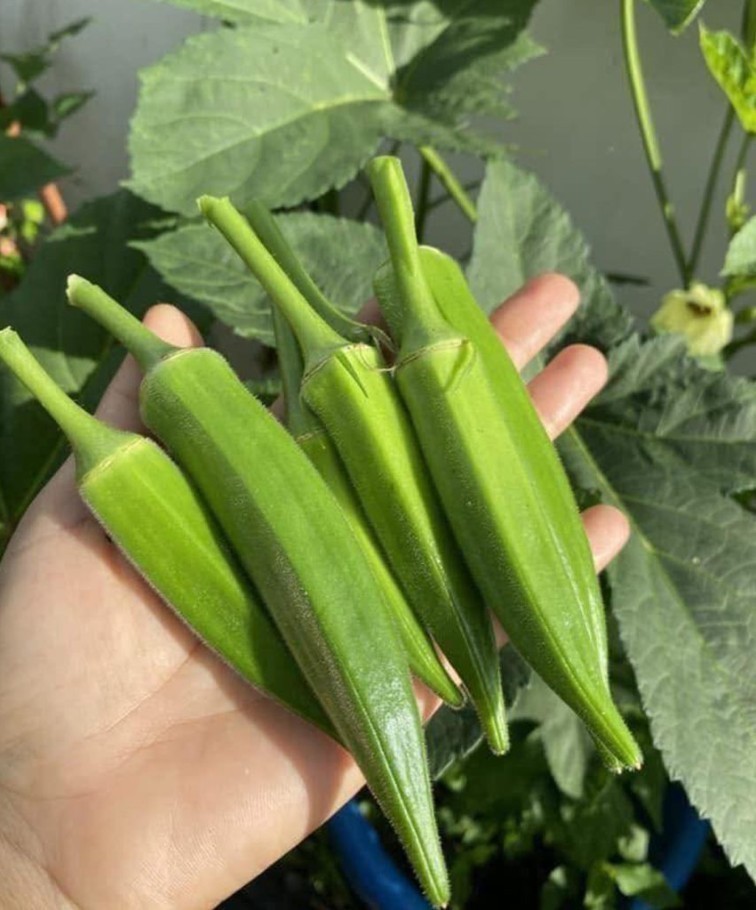
The Okra Enigma: A Comprehensive Look at the Science, History, and Health Profile of a Polarizing Vegetable
In the ever-evolving landscape of nutritional science, where exotic berries and ancient grains often command the spotlight, a quiet revolution grows in warm-climate gardens and bustling market stalls. Okra (Abelmoschus esculentus), with its distinctive ridged pods and unique mucilaginous texture, is a vegetable that rarely inspires indifference. It is either beloved or bemoaned, often based on a single textural experience. Yet, to dismiss it is to overlook one of the most pharmacologically interesting and nutritionally dense foods available.
This humble pod—known also as lady's finger, gumbo, or bhindi—is far more than a mere thickener for stews. It is a botanical repository of compounds that interact with human physiology in profound ways, offering significant benefits while presenting specific, important considerations for distinct populations.
This comprehensive guide explores okra's potent health virtues, its historical and cultural journey, masterful culinary strategies, and the scenarios where caution is essential.
Part I: The Health Benefits of Okra
The health benefits of okra are increasingly corroborated by biochemical analysis and research. Each benefit stems from a synergistic interplay of its unique constituents: a remarkable fiber profile, a spectrum of antioxidants, essential vitamins and minerals, and its signature mucilage.
1. Digestive Health: Okra as a Gut Guardian
The most famous property of okra is its mucilage—a thick, gel-like soluble fiber released when the pod is cut and cooked. Far from a culinary drawback, this substance is central to okra's role in digestive wellness.
How It Works:
Mucilage is a polysaccharide that swells when it meets water in the digestive tract, forming a viscous, soothing gel. This gel performs multiple functions:
Adds bulk and softens stool: Acts as a natural lubricant, facilitating smoother transit through the colon and helping prevent constipation
Functions as a prebiotic: Feeds beneficial gut bacteria, which produce short-chain fatty acids that reduce inflammation and support colon health
Soothes irritation: Can coat and calm irritated mucous membranes, which explains its traditional use for gastritis
Beyond the Gel:
Okra provides both soluble and insoluble fiber. While the soluble mucilage forms the gel, insoluble fiber adds roughage, further promoting regularity. A single cup (100g) of cooked okra provides about 3-4 grams of fiber, contributing substantially to the recommended daily intake.
Culinary Tip: Gentle cooking methods like light steaming, boiling, or stewing preserve and enhance the release of mucilage. For those wary of the texture, cooking okra whole or with acidic ingredients like tomatoes can moderate the sliminess.
2. Blood Sugar Management: Okra's Endocrine Influence
One of the most promising areas of okra research is its impact on glucose metabolism.
How It Helps:
Slows carbohydrate absorption: The viscous gel physically slows down the digestion and absorption of carbohydrates, preventing sharp post-meal blood sugar spikes
Inhibits digestive enzymes: Compounds in okra may inhibit enzymes that break down carbohydrates, similar to the mechanism of certain diabetes medications
May improve insulin sensitivity: Preliminary studies suggest okra extracts could help cells better utilize glucose
Important Note: While studies on okra extracts are intriguing, the safest approach is consuming cooked whole okra as part of a balanced meal. Concentrated juices or infusions can have unpredictable effects, especially when combined with medication.
3. Cardiovascular Health: Protecting the Heart and Blood Vessels
Okra contributes meaningfully to heart health through several mechanisms.
Cholesterol Management:
The soluble fiber in okra binds to bile acids in the intestines and facilitates their excretion. To replenish these bile acids, the liver pulls more cholesterol from the bloodstream, effectively lowering LDL ("bad") cholesterol levels.
Antioxidant Protection:
Okra is rich in antioxidants including vitamin C, flavonoids (like quercetin), and polyphenols. These compounds neutralize free radicals, reducing oxidative stress that can damage blood vessels and contribute to plaque buildup.
Blood Pressure Support:
Okra provides potassium, a mineral that helps relax blood vessel walls and promotes the excretion of excess sodium, contributing to healthy blood pressure levels.
4. Immune Support and Inflammation Reduction
Read more on the next page
Continue reading by clicking the ( NEXT 》 ) button below !