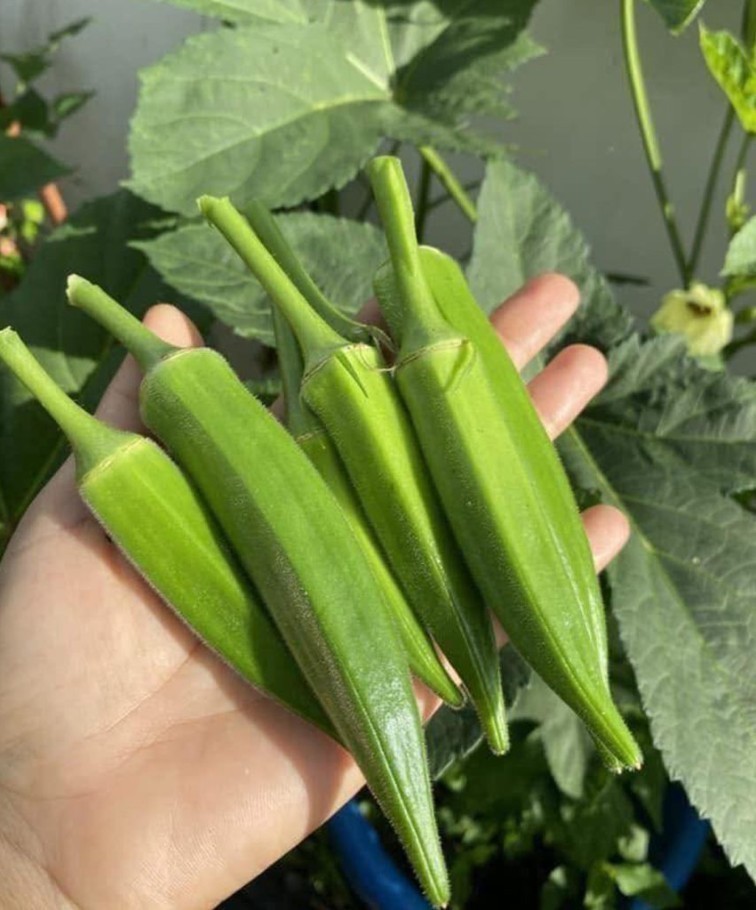
Chronic, low-grade inflammation is recognized as a root cause of many modern diseases. Okra functions as a natural anti-inflammatory and immune-supportive agent.
Vitamin C Content:
One serving of okra provides a significant portion of the daily recommended vitamin C intake, which supports immune cell function and skin barrier health.
Flavonoid Benefits:
Compounds like quercetin can modulate the inflammatory response, potentially dialing down systemic inflammation. This makes okra valuable for conditions like arthritis or for general recovery from illness.
Gut-Immune Connection:
By promoting a healthy gut microbiome through its prebiotic fibers, okra indirectly supports the substantial portion of the immune system housed in the digestive tract.
5. Bone Health: Supporting Skeletal Integrity
Okra provides two critical micronutrients for bone health.
Vitamin K: The Calcium Director:
Okra is exceptionally high in vitamin K1, which activates osteocalcin—a protein that binds calcium and incorporates it into the bone matrix. Without sufficient vitamin K, calcium cannot be properly utilized for bone mineralization.
Folate's Supporting Role:
Folate helps lower homocysteine levels, which, when elevated, can interfere with the collagen cross-linking that gives bone its tensile strength.
Part II: The Historical and Cultural Journey of Okra
To understand okra fully, one must appreciate its rich history.
African Roots:
Okra originated in the Abyssinian region encompassing modern-day Ethiopia, Eritrea, and eastern Sudan. It was cultivated and cherished across Africa for millennia, with its name deriving from various West African languages.
The Transatlantic Passage:
The transatlantic slave trade brought okra to the Americas. Enslaved Africans carried the seeds with them as a precious piece of home and a vital source of nutrition. In the brutal conditions of plantations, okra became a cornerstone of sustenance.
The Birth of Gumbo:
Continued on next page
Continue reading by clicking the ( NEXT 》 ) button below !