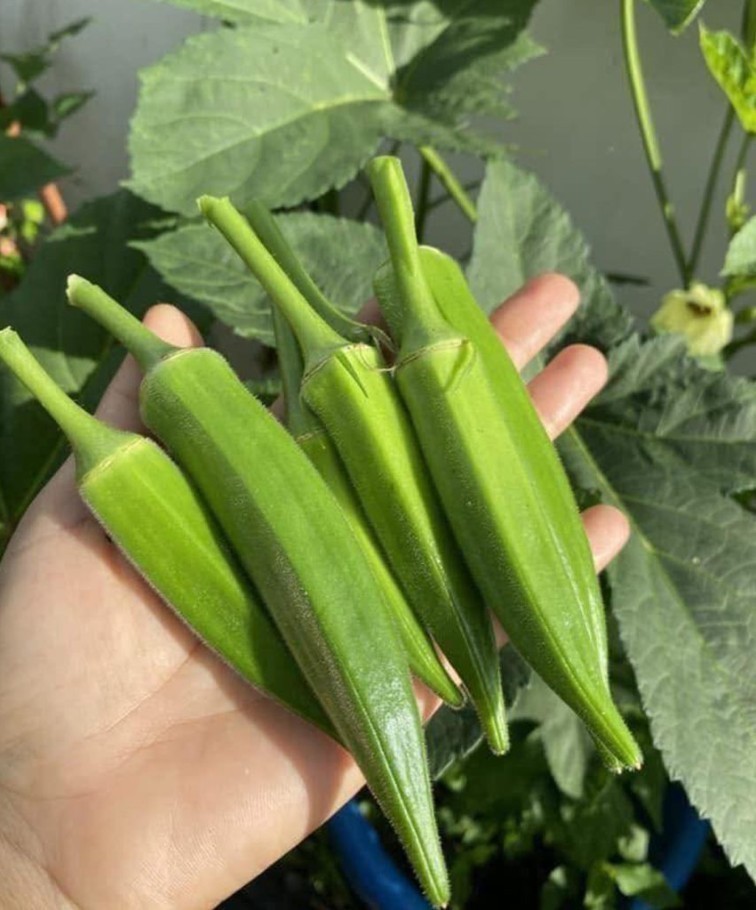
The name "gumbo" derives from the West African word for okra, ki ngombo. Enslaved Africans used okra as the essential thickener for this hearty stew, combining it with available ingredients like shellfish, rice, and later, French-inspired roux and sausage.
Eastern Wanderings:
Okra traveled east along trade routes to India and beyond. In Indian cuisine, where it is known as bhindi, cooks mastered techniques to minimize mucilage through dry sautéing and spiced preparations.
A Global Citizen Today:
Okra features prominently in the cuisines of the Caribbean, Brazil, the Middle East, the Mediterranean, the American South, and Southeast Asia—each culture developing its own relationship with the vegetable's texture.
Part III: Mastering the Art of Cooking Okra
The single greatest barrier to okra appreciation is textural aversion. However, with technique, this can be managed and even celebrated.
Understanding the Science:
The mucilage is contained within the pod's cells. Cutting releases it, and heat and moisture accelerate its extraction. Cooking methods are about controlling these variables.
Techniques for Minimal Mucilage (Dry Methods)
Technique How to Do It
Cook Whole Trim the stem cap without piercing the pod interior. Roast, grill, or pan-sear whole pods with oil and seasoning. The intact skin seals in the mucilage.
High-Heat Searing Cut okra and toss immediately into a very hot, well-oiled pan. Stir-fry quickly to sear the cut surfaces before significant mucilage can seep out.
Add Acid Early Adding tomatoes, vinegar, or lemon juice early in cooking can help reduce the slippery sensation by breaking the mucilage into less noticeable particles.
Dry Thoroughly After washing, ensure okra is completely dry before cutting. Tossing cut okra with salt, letting it sit, then patting dry before frying draws out surface moisture.
Techniques for Embracing Mucilage (Wet Methods)
Technique How to Do It
Stew Thickener Add sliced okra to broths, gumbos, or curries and simmer. The released mucilage will naturally thicken the sauce to a luscious consistency.
Pickling Pickling in a vinegar brine transforms okra into a crunchy, tangy snack while neutralizing the mucilage.
Global Inspirations
Indian Bhindi Masala: Okra is fried until crisp, then tossed with onions, cumin, turmeric, and chili powder
Southern Fried Okra: Sliced okra is breaded in cornmeal and buttermilk, then deep-fried
Middle Eastern Bamya: Okra stewed slowly with lamb, tomatoes, and onions in a tangy sauce
West African Stews: Okra provides body to dishes with fish, peanuts, and leafy greens
Japanese Tempura: Whole small okra pods make delicate, crisp tempura
Part IV: Essential Cautions for Specific Populations
With potent bioactive compounds come specific interactions. For the following groups, consuming okra requires informed strategy and professional consultation.
Individuals Prone to Kidney Stones (Calcium Oxalate Stones)
The Risk: Okra contains moderate to high levels of oxalates, which can bind with calcium in the kidneys to form crystals and potentially stones in susceptible individuals.
The Strategy:
Continued on next page
Continue reading by clicking the ( NEXT 》 ) button below !